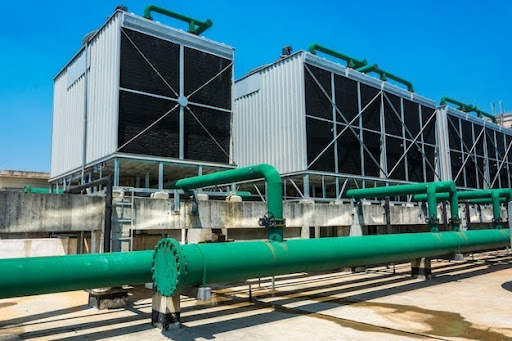
A building’s cooling system rarely fails without warning. Most of the time, small signs appear months before a major breakdown. A commercial chiller supplies chilled water for air conditioning and process cooling across large spaces, so its condition affects everyone in the building. Knowing when to upgrade helps you avoid emergency costs and plan with confidence. This guide explains the key warning signs. Early action usually costs far less than reacting to a failure.
1. Rising Energy Bills
When a commercial chiller works harder to deliver the same cooling, electricity use climbs. Dirty heat exchange surfaces, worn compressors, and outdated controls can all reduce efficiency.
Compare bills from the same months across several years, allowing for weather and occupancy. A steady, unexplained increase is a strong signal that expert evaluation is needed. Efficiency losses often appear gradually, which makes them easy to miss.
2. Frequent Breakdowns and Repairs
Occasional repairs are normal, but constant service calls are not. If your commercial chiller needs repeated attention for the same faults, parts may be wearing out. Track repair costs, downtime, and emergency call-outs.
When repair spending approaches a meaningful share of replacement cost, an upgrade deserves serious consideration. Keep invoices in one place so patterns become obvious.
3. Uneven or Inadequate Cooling
Hot spots, warm offices, and slow temperature recovery suggest that cooling capacity is falling short. A commercial chiller may struggle because of scale buildup, low refrigerant, failing pumps, or changes in building use.
Keep a record of tenant complaints, noting where and when they occur. Persistent problems may mean the equipment no longer fits your needs.
4. Unusual Noises, Vibration, or Leaks
Grinding, rattling, or knocking can point to worn bearings, compressor trouble, or loose components. Vibration and visible leaks also deserve prompt attention. A commercial chiller showing these symptoms may be close to a serious failure.
Call a qualified technician immediately if you notice them. Switch off equipment if safety is a concern.
5. Outdated Refrigerants and Parts
Older systems may use refrigerants that are being phased out or becoming expensive to service. Replacement parts for an aging commercial chiller can also be hard to find, which extends repair times.
Rules differ by location, so confirm current requirements with licensed professionals. Planning early prevents rushed decisions.
6. Age and Declining Performance
Every machine has a working life that depends on design, load, and maintenance. A commercial chiller near the end of that life may still run, but with falling reliability and efficiency.
Ask a qualified engineer for a condition assessment, and compare repair and replacement options in writing. Every year of delay can increase risk and repair costs.
Final Thoughts
A commercial chiller upgrade is easier to manage when you act on early warning signs. Track energy bills, repairs, and complaints, get an independent assessment, and compare written proposals from licensed contractors. Careful planning protects comfort, budgets, and daily operations for many years. Ask questions until every proposal is clear, and plan work for a milder season so operations continue smoothly. Schedule an independent inspection soon.