
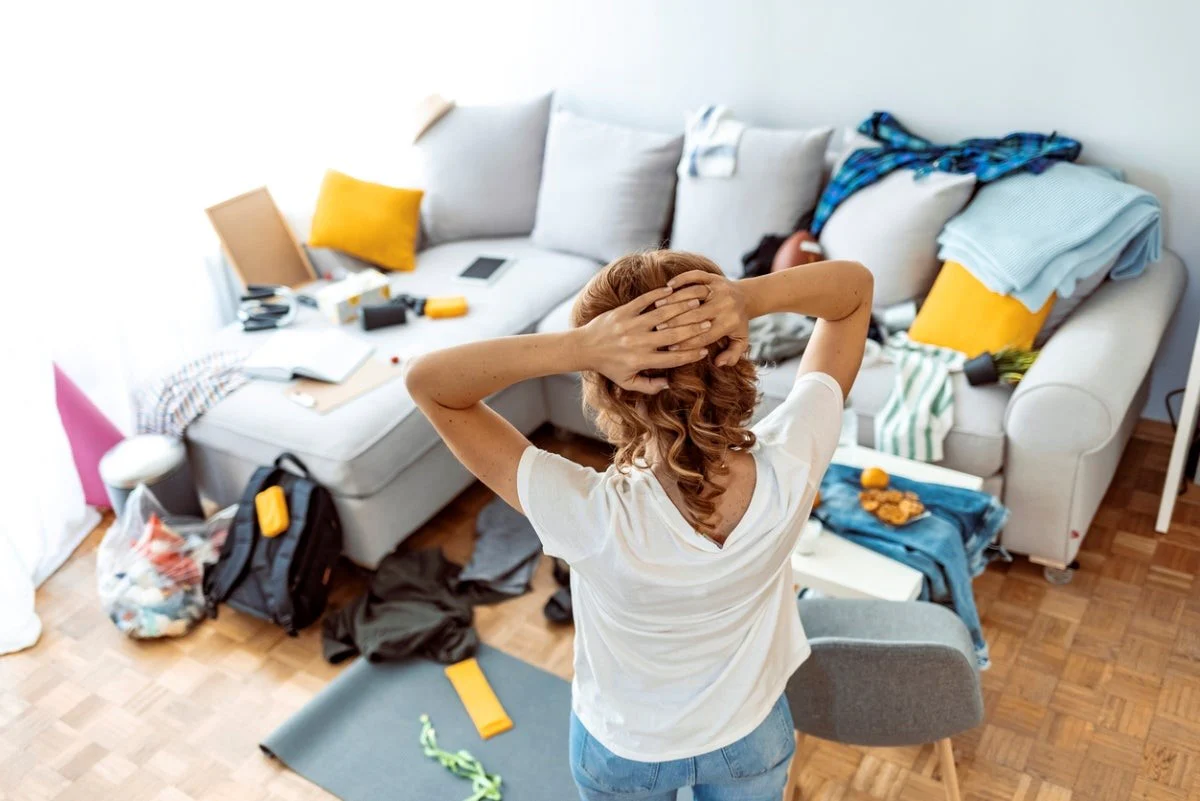
Home organization is more than just arranging items neatly on shelves. It is a lifestyle that improves your productivity, reduces stress, and creates a welcoming environment in every room. Whether you live in a spacious house or a small apartment, mastering the principles of home organization can transform the way you live.
In this guide, we will explore effective home organization strategies, room‑by‑room checklists, professional systems, and recommended products to help you achieve a clutter‑free life. You’ll also discover why home organization is essential for physical and mental well‑being.
What Is Home Organization?
Home organization refers to the process of systematically arranging your belongings so that items are easy to find, access, and maintain. It incorporates decluttering, space planning, storage solutions, and ongoing habits that prevent chaos from returning.
At its core, home organization optimizes your living space to support your daily routines. When your home is organized, you save time, reduce anxiety, and increase enjoyment of your space.
Why Home Organization Matters
1. Saves Time and Reduces Stress
When every item has a designated place, you spend less time searching for things. This efficiency affects daily routines like getting ready in the morning or preparing meals in the kitchen.
2. Improves Mental Clarity
According to organizing expert Marie Kondo, physical clutter can impact our mental state. Reducing clutter creates a calmer environment that supports focus and relaxation.
3. Enhances Cleanliness
Organized homes are easier to clean. With everything in its place, dusting, sweeping, and wiping surfaces become faster and more effective.
4. Supports Better Habits
When spaces are intentional and functional, you’re more likely to maintain good habits such as putting items back in place and keeping surfaces clear of clutter.
Key Principles of Home Organization
Declutter Before You Organize
The first step of any organization project is to declutter. This means assessing each item and deciding whether to keep, donate, recycle, or discard it. A popular method is the KonMari approach created by The Life‑Changing Magic of Tidying Up, which encourages keeping only items that “spark joy.”
Group Like With Like
Organize items into categories (e.g., books, office supplies, kitchen gadgets) so you know exactly where things belong. This makes it easier to put things away and maintain order.
Use Containment
Storage bins, baskets, drawer dividers, and boxes help contain items and avoid visual clutter. Containment also prevents items from scattering and makes cleaning easier.
Assign Functional Zones
Designate specific areas for key activities—such as a reading nook, work zone, or meal prep station. Functional zones streamline tasks and reduce time spent transitioning between activities.
Label Everything
Labels provide clarity and help maintain order. When storage spaces are labeled, everyone in the household knows where items belong, which supports consistent habits.
Room‑by‑Room Home Organization Plan
To make home organization actionable, let’s break it down by room.
Kitchen
The kitchen is one of the busiest areas in the home, and it often becomes cluttered with dishes, cookware, and food storage.
Kitchen Organization Steps
- Clear Countertops: Keep only daily essentials like coffee makers or toasters on the counter.
- Organize Cabinets: Use shelf risers and pull‑out organizers to maximize vertical space.
- Declutter Pantry: Group pantry items by type (e.g., baking, canned goods, snacks).
- Use Clear Containers: Store dry goods in transparent containers so you can see contents at a glance.
- Label Shelves: Add labels to shelves and containers to ensure everything returns to its place.
Recommended products for kitchen organization include modular storage bins from **The Home Edit and drawer dividers from **IKEA.
Living Room
The living room is where families gather, but it can quickly become cluttered with books, electronics, and toys.
Living Room Organization Tips
- Use Baskets for Loose Items: Store blankets, toys, and remotes in baskets that can be tucked under tables.
- Designate Media Storage: Keep DVDs, games, and controllers in a media console or shelving unit.
- Display Thoughtfully: Use shelves to display decorative items while keeping surfaces clear.
Bedroom
Your bedroom should be a retreat—not a storage unit. Start by organizing clothing and personal items.
Bedroom Organization Checklist
- Purge Your Closet: Donate clothes you haven’t worn in the past year.
- Sort by Category: Group clothing by type (e.g., tops, bottoms, accessories).
- Use Drawer Dividers: Keep socks, underwear, and accessories separated.
- Under‑Bed Storage: Use slim containers for off‑season clothing.
Bathroom
Small bathrooms benefit immensely from smart storage strategies.
Bathroom Organization Components
- Medicine Cabinet: Keep daily necessities at eye level and less‑used items on higher shelves.
- Corner Shelves: Maximize wall space with floating shelves.
- Shower Caddies: Organize toiletries to reduce clutter on tub edges.
Tools and Products That Make a Difference
Several products and systems can elevate your home organization efforts.
Storage Solutions
- Bins and Baskets: Choose sizes that fit your shelves and drawers.
- Drawer Dividers: Keep items separated and easy to access.
- Clear Containers: Use for pantry items and small accessories.
- Shelving Units: Add vertical storage in closets and living areas.
Organizational Systems
- The KonMari Method: Focuses on keeping items that bring joy and eliminating excess.
- Zone Organization: Assign specific areas for specific tasks.
- Daily Reset Ritual: Spend 10 minutes a day returning items to their places.
Professional Services
If you need extra support, consider hiring a professional home organizer. Experts like **Neat Method provide personalized plans and hands‑on assistance.
Maintaining Home Organization
Organizing once is great, but keeping your home organized requires ongoing effort.
Create Daily Habits
Small habits make big differences:
- Make your bed every morning.
- Do a nightly 10‑minute tidy‑up.
- Put things back immediately after use.
Seasonal Decluttering
Each season, take time to assess belongings. Donate or discard items you no longer need.
Digital Organization
Home organization isn’t limited to physical spaces. Organize your digital life, too:
- Sort emails into folders.
- Delete unused apps.
- Back up important files.
Common Organization Mistakes to Avoid
Holding Onto “Just in Case” Items
Consider whether an item truly serves a purpose today. If not, it may be time to let it go.
Overstuffing Storage Spaces
Too many items in a drawer or bin creates visual and physical clutter. Keep only what fits comfortably.
Ignoring Zones
Without clear zones, items migrate and create chaos. Define areas for specific tasks to prevent clutter spillover.
Home Organization for Different Lifestyles
Families With Children
Kids generate lots of items—clothes, toys, books, school supplies. Use kid‑friendly baskets and labels so children can put items away independently.
Small Living Spaces
For apartments or tiny homes, think vertical. Wall shelves, over‑door organizers, and multifunctional furniture maximize space.
Busy Professionals
For those with limited time, prioritize quick wins:
- Keep high‑traffic areas clear.
- Use labeled storage to reduce decision fatigue.
- Schedule weekly organization sessions.
Conclusion
Home organization is a transformative practice that impacts every aspect of your daily life. It requires thoughtful planning, smart systems, and ongoing habits, but the benefits are far‑reaching—from reduced stress to increased productivity.
Whether you’re decluttering your kitchen, optimizing your bedroom storage, or setting up functional zones in your living space, organization creates peace and clarity in your home.
Apply the tips in this guide, invest in the right products and systems, and watch your space become a more functional, joyful environment. An organized home is not just a dream—it’s a lifestyle that starts with intentional choices and a commitment to lasting order.